If you picture La Quinta as a year-round vacation, you are only seeing part of the story. Seasonal living here can be wonderful, but it also comes with a very specific rhythm shaped by desert weather, part-time residency, and day-to-day home upkeep. If you are thinking about buying a seasonal home in La Quinta, this guide will help you understand what life actually feels like across the calendar and what to plan for before you buy. Let’s dive in.
La Quinta has a true seasonal rhythm
La Quinta is a desert resort city in the Coachella Valley, nearly surrounded by the Santa Rosa Mountains. The city notes a large seasonal snowbird population alongside a permanent population of 37,846, which helps explain why the area feels different depending on the time of year.
That seasonal pattern is not just about visitor numbers. It shapes traffic, social energy, outdoor habits, and even how you maintain a home. If you plan to live here part of the year, understanding that rhythm can help you choose the right property and the right ownership plan.
Winter is peak season
For many seasonal residents, winter is the reason La Quinta works so well. Average highs are around 71 in January and 74 in February, with cooler mornings and evenings that still make outdoor time comfortable.
This is when the desert lifestyle tends to feel easiest and most active. You can spend more time outside, enjoy a fuller social calendar, and take advantage of the features that draw many buyers to La Quinta in the first place.
Outdoor living feels natural
La Quinta highlights 25 golf courses, 16 parks, and several miles of biking and hiking trails. In the cooler months, those amenities become part of everyday life rather than something you work around because of heat.
If you are buying a seasonal home for lifestyle, this matters. Winter and early spring are often when patios, poolsides, walking paths, and golf access feel most usable on a regular basis.
The city feels more active
Cooler months also tend to bring a busier community calendar. The city promotes events like the La Quinta Art Celebration and Art on Main Street, and the broader area is known for a more active winter season.
In practical terms, that often means more activity around local shops, restaurants, and gathering spots, including Old Town Village. If you want a seasonal home that feels social and lively part of the year, this is a big part of the appeal.
Spring is the shoulder season many owners love
Spring is often when seasonal living in La Quinta still feels very enjoyable, but with a hint of what summer is bringing. Average highs rise from about 81 in March to 87 in April and 95 in May.
For many part-time owners, this is a sweet spot. You still get strong outdoor living conditions, but you also begin to see why a seasonal plan matters in the desert.
This is often when owners start preparing to leave
As temperatures climb, many seasonal residents begin wrapping up their stay or shifting into a lighter routine. That makes spring an important planning season for anyone who will be away during the hottest months.
If you are considering a second home, this is the time of year when ownership becomes less about lifestyle and more about systems. You start thinking about maintenance schedules, cooling, landscaping, and how the home will be watched while you are gone.
Summer is the part buyers need to understand clearly
Summer in La Quinta is not subtle. Average highs reach about 104 in June, 109 in July, 108 in August, and 102 in September, with warm overnight lows as well.
That does not mean seasonal ownership stops making sense. It does mean you should go in with realistic expectations about how different summer feels from winter and spring.
Daily life changes in the heat
During summer, outdoor activity becomes much more limited for many people. The Coachella Valley Water District also describes the region as arid with relatively high winds, and notes that monsoonal thunderstorms can occur in summer.
For a seasonal owner, this usually means the home needs to be prepared for heat, dryness, and occasional summer weather shifts. If your idea of ownership depends on easy year-round outdoor comfort, La Quinta may feel more climate-specific than you expect.
The city often feels quieter
Regional materials note that seasonal population increases in fall, winter, and spring, then declines in summer. That lines up with what many buyers are really asking when they ask about snowbird living: what is it like when many part-time owners leave?
The short answer is that summer tends to feel quieter and more resident-oriented. That can be a positive if you like a calmer pace, but it is something to factor into your expectations.
Fall brings the return of seasonal energy
By October and November, average highs cool to about 90 and 79. That cooling trend is one reason seasonal population begins building again in fall.
For many owners, fall is when La Quinta starts to reopen in a lifestyle sense. You can feel the shift back toward outdoor routines, social plans, and the return of neighbors who spend the cooler months in the desert.
Seasonal ownership means planning for the home when you are away
One of the biggest differences between visiting La Quinta and owning a seasonal home in La Quinta is that the house still needs attention when you are not there. The desert climate is hot, dry, and often windy, so an empty home can still require regular oversight.
That is why seasonal ownership tends to work best when you approach it as both a lifestyle purchase and an operations decision. The right home is not just beautiful when you arrive. It is also manageable while you are gone.
Common upkeep needs for seasonal homes
A realistic maintenance plan often includes:
- HVAC upkeep
- Irrigation checks
- Landscape service
- Pool care, if applicable
- Pest control
- Some form of remote monitoring
These needs are practical responses to local conditions. In La Quinta, the main burden is usually cooling and water management, not rain.
Desert conditions affect the property year-round
La Quinta averages very little rainfall, generally under 5 inches annually, depending on the source and measurement area. At the same time, the region’s climate creates high demand on landscaping and exterior systems.
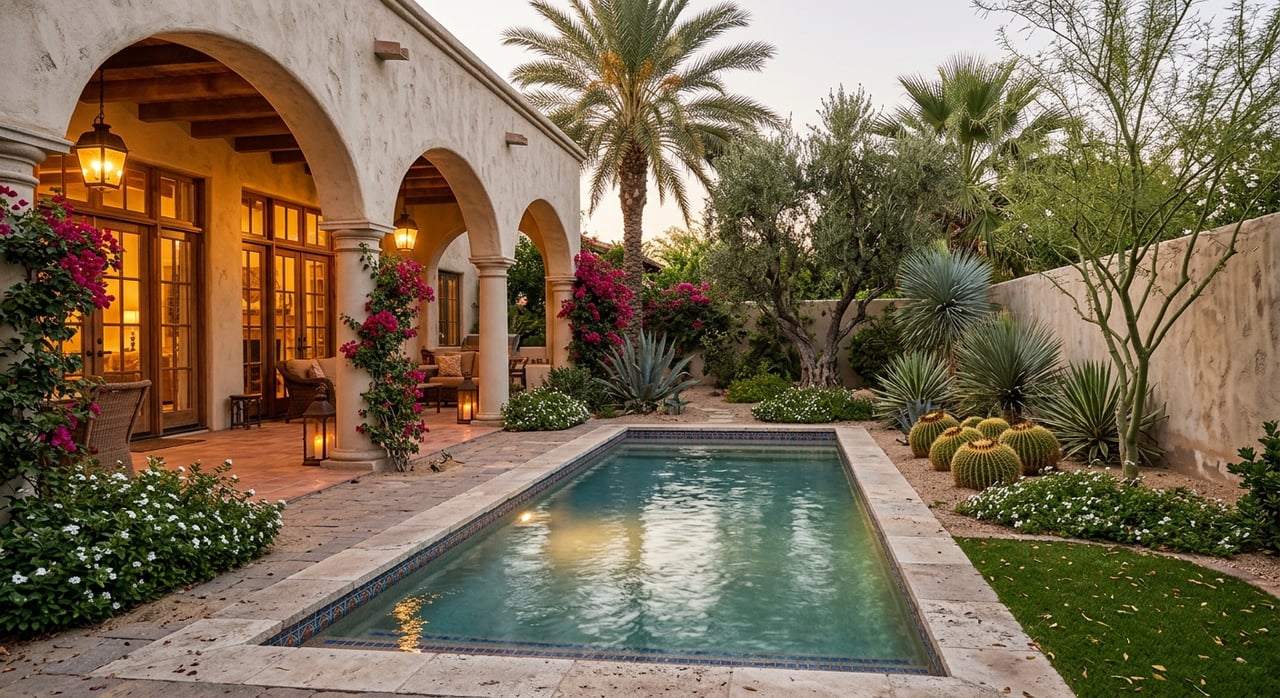
That means buyers should think carefully about features like yard size, pool ownership, irrigation needs, and how much maintenance they want to manage from a distance. A seasonal home should match not only your taste, but also your willingness to maintain it.
Rental income is possible, but never automatic
Some buyers look at seasonal ownership and assume short-term rental income can help offset costs when they are away. In La Quinta, that idea needs careful review before you buy.
The city allows short-term vacation rentals, but the rules are highly specific. New STVR permits are permanently banned in the General and Primary categories except in exempt areas, while Homeshare permits and certain large-lot properties may still qualify.
Why permit research matters early
Because local rules can materially affect how a property may be used, rental potential is highly property-specific. It should be treated as something to verify before purchase, not as a built-in bonus.
The city also uses an online portal for STVR permits and transient occupancy tax payments, and the city’s TOT form says tax is due no later than 30 days after the end of the reporting month. If rental income matters to your purchase decision, early due diligence is essential.
Who seasonal living in La Quinta suits best
Seasonal living in La Quinta can be a great fit if you want a cool-season base with resort-style amenities and you understand the realities of desert ownership. It is especially appealing if your priority is winter and spring lifestyle rather than full-time, all-season outdoor living.
It may be less appealing if you want broad short-term rental flexibility or if you do not want to manage a property through extreme summer heat. The goal is not to talk you into the lifestyle. It is to help you decide whether the lifestyle fits the way you actually want to live.
What to think about before you buy
Before you purchase a seasonal home in La Quinta, it helps to pressure-test the decision with a few practical questions:
- Which months do you realistically plan to use the home?
- Are you comfortable with summer highs that commonly reach the 100s?
- How much exterior maintenance do you want while away?
- Do you want a lock-and-leave setup or a property with more hands-on upkeep?
- Is rental income important, and if so, have you verified permit eligibility early?
These questions can shape everything from neighborhood fit to home type to long-term carrying costs. A great seasonal purchase usually comes from matching the property to your real routine, not an idealized version of desert living.
If you are exploring La Quinta as a seasonal home base, the right guidance can help you narrow your search, understand the tradeoffs, and buy with more confidence. LISSETTE MOLINA REAL ESTATE GROUP offers local, hands-on support for buyers who want clear advice and a smart plan for Coachella Valley living.
FAQs
What does seasonal living in La Quinta mean for homeowners?
- Seasonal living in La Quinta usually means using the home most during fall, winter, and spring, then planning for limited use or time away during the hottest summer months.
What is winter weather like in La Quinta for seasonal residents?
- Winter in La Quinta is generally mild, with average highs around 71 in January and 74 in February, which supports outdoor living and a busier seasonal lifestyle.
What is summer like in La Quinta for part-time homeowners?
- Summer in La Quinta is very hot, with average highs over 100 from June through September, so owners often prepare homes carefully if they will be away.
What maintenance does a seasonal home in La Quinta usually need?
- A seasonal home in La Quinta often needs HVAC service, irrigation checks, landscape care, pool service if applicable, pest control, and remote monitoring.
Can you use a La Quinta seasonal home as a short-term rental?
- Short-term rental use in La Quinta depends on current city rules and property-specific permit eligibility, so buyers should verify that early before relying on rental income.
Who is a good fit for seasonal living in La Quinta?
- Seasonal living in La Quinta tends to suit buyers who want a cooler-season desert base, enjoy resort-style amenities, and are prepared for summer heat and ongoing property care.