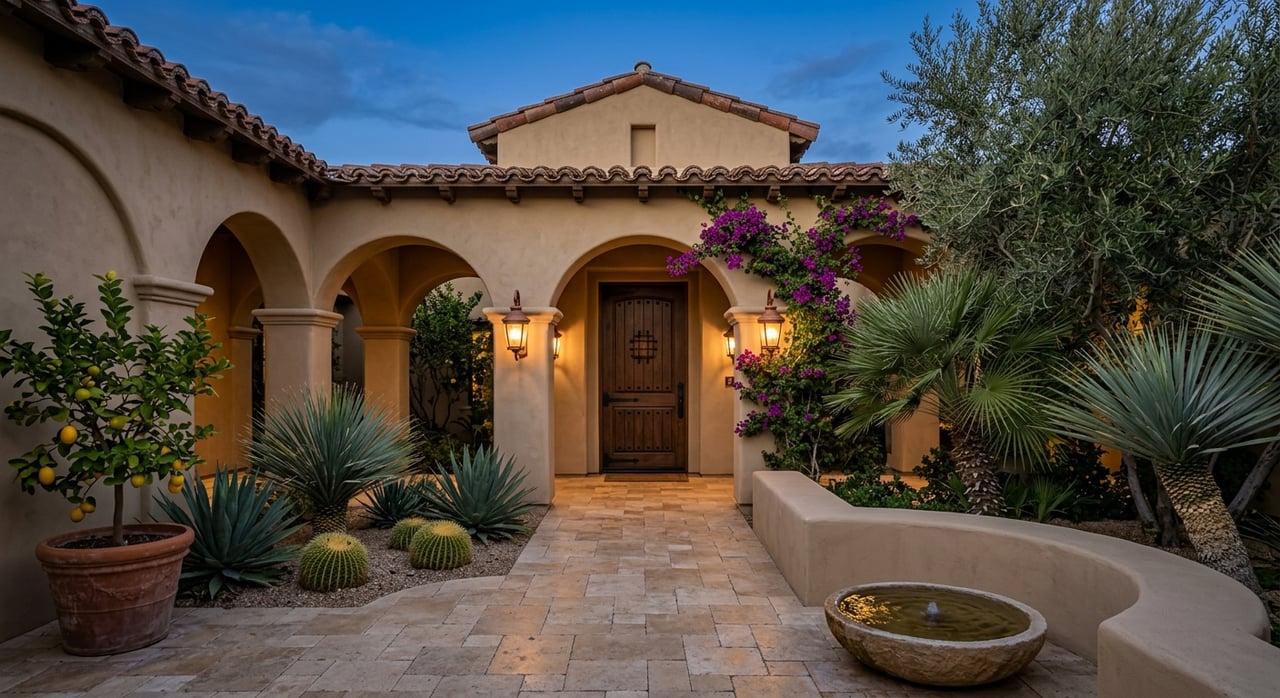
If you are shopping for a home in Indio, the house itself is only part of the decision. Many neighborhoods here are part of master-planned or HOA communities, which means your monthly costs, daily routines, and long-term ownership experience can look very different from one area to the next. If you know what to review before you buy, you can choose a community that fits your lifestyle and budget with more confidence. Let’s dive in.
Why HOA Communities Matter in Indio
Indio has a large number of planned neighborhoods, and the city identifies dozens of master plans and specific plans across the area. It also notes that more than 3,000 housing units are planned or under construction, with housing options that include condominiums and golf-course residences in gated communities.
That matters because when you buy in a California common interest development, you automatically become a member of the homeowners association. In practical terms, you are not only buying a home. You are also buying into a set of rules, shared expenses, and community features that can shape your day-to-day life.
Start With Lifestyle Fit
A master-planned or HOA community can be a great match if you want shared amenities, consistent upkeep, and a more managed neighborhood environment. It can be a less ideal fit if you prefer fewer restrictions or more freedom to make exterior changes without approval.
The key question is simple: does the community match how you actually live? In Indio, where planned and amenity-rich neighborhoods are common, this question is just as important as price, size, or floor plan.
Look Beyond the Model Home
It is easy to focus on finishes, layout, and curb appeal. But in an HOA community, the value of the property also includes the common areas and shared facilities that the association is responsible for maintaining.
That can include items like gates, landscaping, pools, clubhouses, and other community features. Before you fall in love with the home, think about whether those shared amenities are things you will truly use and value on a regular basis.
Ask What You Want Day to Day
Think about your routines, not just your wish list. If you enjoy a more predictable neighborhood appearance and appreciate shared maintenance, an HOA may feel like a strong fit.
If you want greater flexibility with parking, exterior updates, or other property uses, you will want to review the rules very carefully. One community can feel very different from another, even when the homes look similar on paper.
Review CC&Rs Carefully
CC&Rs are the governing rules for the community, and they can affect more of your daily life than many buyers expect. In California, HOA rules can address issues such as fencing, exterior appearance, and other use restrictions.
That is why reviewing the documents early is so important. The seller is required to provide governing documents before transfer, and those documents can help you understand how much flexibility you will really have after closing.
Focus on Real-Life Restrictions
When you review the rules, pay attention to items that affect your everyday plans. That may include parking rules, pet restrictions, exterior modifications, rental restrictions, or occupancy rules if they apply in that community.
Try to think beyond today. A rule that seems minor during a showing can feel much bigger after move-in if it affects how you use your home over time.
Understand What HOA Dues Cover
HOA dues are not just a fee for landscaping at the entrance. California law requires associations to collect enough in assessments to meet their obligations, and annual budget reports must include a pro forma operating budget, a reserve summary, and reserve funding disclosures.
In plain language, your dues are meant to support both current operations and future repairs or replacements in the common areas. That is why a lower monthly payment is not always the better value if it means the community is not planning well for long-term maintenance.
Separate Today’s Costs From Tomorrow’s Costs
Some communities may look beautifully maintained today, but the bigger question is whether they are financially prepared for future needs. Reserve planning is intended to estimate the cost and timing of major common-area repair and replacement items over the long term.
If reserves are underfunded, owners may face deferred maintenance or special assessments later. That is why the monthly dues number should never be viewed by itself.
Check Reserve Strength and Budget Health
One of the smartest things you can do as a buyer is review the reserve summary and budget information. These documents can help you understand whether the association is setting aside enough money for future obligations.
This matters because California law limits certain assessment increases without member approval. If a community has large upcoming needs and limited reserve funds, that can create pressure on owners later.
Watch for Signs of Financial Stress
As you review documents, look for a few practical warning signs:
- Reserve balances that seem out of step with future repair needs
- Discussion of deferred maintenance
- Mentions of pending or possible special assessments
- Repeated budget pressure in recent records
- Major common-area features that may require expensive upkeep
You do not need to be an accountant to spot risk. You just need to connect the amenities you see with the money set aside to maintain them.
Look for Extra Assessments in Indio
In Indio, HOA dues may not be the only recurring community-related cost. Some properties may also be located in a community facilities district or another special assessment district.
The city references Mello-Roos community facilities districts, and Indio has a dedicated Terra Lago community facilities district refinance page. That is a good reminder to ask whether a property has separate district charges in addition to the HOA dues.
Build a True Monthly Cost Picture
When comparing homes, do not stop at the mortgage payment and HOA fee. Ask whether there are any special district assessments, CFD charges, or other ongoing costs tied to the property.
This helps you compare homes more accurately. A lower list price does not always mean lower monthly ownership costs once all community-related charges are included.
Request the Right Documents
A strong review starts with the right paperwork. California law requires associations to make certain records available, and buyers should ask for the main documents that reveal how the community operates.
Here are the key items to request and review:
- Governing documents, including CC&Rs
- Current annual budget report
- Reserve funding summary
- Insurance summary
- Recent association records
- Agendas and minutes from board, member, and committee meetings when available
These documents can show you far more than a listing description ever will. They can help you understand the rules, the finances, and the issues the community may be working through.
Ask Questions That Reveal Fit Fast
Once you have the documents, ask direct questions that get to the heart of ownership. These questions can quickly tell you whether a community lines up with your goals.
Start with questions like these:
- What do the dues cover?
- Are there any pending or likely special assessments?
- How strong are the reserves compared with future maintenance needs?
- Are there occupancy or age restrictions?
- Are short-term or long-term rentals restricted by the CC&Rs?
- Is there a master association in addition to a neighborhood association?
- Are there separate district assessments or CFD charges?
These answers help you separate the sticker price from the real cost and flexibility of ownership.
Compare New Construction and Resale Carefully
If you are looking at a newly built home in a planned subdivision, the California Department of Real Estate says the public report is a critical disclosure. It can include important details about CC&Rs, costs, and assessments for maintaining the HOA and common areas.
For resale homes in established communities, you may have a longer operating history to review through budgets, records, and meeting minutes. For new construction, you may be relying more heavily on the public report and the community documents to understand what ownership will look like.
Why This Comparison Matters
A new home may offer updated finishes and fresh amenities, but that does not mean you should skip the paperwork. A resale home may offer more established financial patterns, but it can also come with aging common-area components that deserve close review.
In both cases, the goal is the same: understand the full ownership picture before you commit.
Choose the Community, Not Just the House
The best community for you is not automatically the one with the biggest clubhouse or the lowest dues. It is the one where the amenities, rules, and financial structure make sense for the way you want to live.
For some buyers, that means resort-style features, shared maintenance, and a more consistent neighborhood environment. For others, it means looking beyond HOA communities to find more flexibility and fewer recurring association costs.
If you are comparing Indio neighborhoods, a careful review can help you avoid surprises and make a more confident decision. The right guidance can also make it much easier to compare documents, spot red flags, and weigh the tradeoffs between communities. If you want help evaluating homes and neighborhoods across Indio and the Coachella Valley, LISSETTE MOLINA REAL ESTATE GROUP is here to help.
FAQs
What should you review before buying in an Indio HOA community?
- You should review the governing documents, current budget report, reserve funding summary, insurance summary, and recent association records to understand rules, finances, and possible future costs.
Why do reserves matter in an Indio master-planned community?
- Reserve funds help pay for future common-area repairs and replacements, so weak reserves can increase the risk of deferred maintenance or special assessments later.
Are HOA dues the only community-related cost in Indio?
- No. Some properties may also have separate charges from a community facilities district or other special assessment district, so you should confirm the full monthly cost.
What rules can affect daily life in an Indio HOA neighborhood?
- Depending on the community, rules may address parking, pets, exterior appearance, fencing, rental use, occupancy, and other practical issues that affect how you use the property.
Is new construction in Indio easier to evaluate than resale in an HOA community?
- Not always. New construction should be reviewed with the public report and community documents, while resale homes may offer more operating history through budgets, records, and meeting minutes.
How do you know if an Indio HOA community is the right fit for you?
- The best way is to compare the community’s amenities, rules, and total carrying costs against your actual lifestyle, budget, and long-term plans.