If you are trying to decide between La Quinta’s golf and non-golf areas, you are not alone. Many buyers come to La Quinta drawn by its resort reputation, then realize the city offers very different living experiences depending on where you look. The good news is that once you understand how La Quinta is organized, it becomes much easier to narrow in on the right fit for your lifestyle, budget, and day-to-day priorities. Let’s dive in.
Start With How La Quinta Is Set Up
La Quinta is closely tied to golf, resorts, and seasonal living, but the city is not split into one simple golf side and one simple non-golf side. According to the City of La Quinta history page, the community’s identity grew around La Quinta Resort, PGA West, the Desert Club, and a large seasonal population.
In practice, the difference between golf and non-golf areas often comes down to land use, HOA structure, neighborhood age, and lifestyle design. You can also research exact community boundaries, zoning, and planning details through the city’s Planning Division map, which is a helpful starting point when comparing specific properties.
What Golf Areas Usually Feel Like
Golf and resort-oriented areas in La Quinta tend to offer a more amenity-centered lifestyle. The city highlights golf destinations such as SilverRock and PGA West, and planning materials for places like SilverRock and Talus show a mix of golf, hospitality, retail, and residential uses.
That matters because a golf community is often about more than the course itself. You may be buying into a setting that includes shared amenities, resort-adjacent activity, private or semi-private streets, and a stronger connection to seasonal or visitor-oriented living.
Common traits in golf areas
- Master-planned layouts
- Amenity-rich surroundings
- HOA-managed common areas
- Resort or club-oriented atmosphere
- A mix of home types, including villas or branded residences in some newer developments
The city also notes that low-speed electric vehicles and golf carts are part of local circulation in some areas, reinforcing the resort-style feel in certain communities. If you picture a lifestyle built around convenience, shared amenities, and a polished neighborhood presentation, golf areas may feel like a natural match.
What Non-Golf Areas Usually Feel Like
Non-golf areas in La Quinta often appeal to buyers who want a more neighborhood-first setting. The city identifies the La Quinta Cove and Village areas as part of its original residential history, with the Cove recognized as the city’s first residential area.
These parts of La Quinta often offer a different rhythm of daily life. Instead of centering on clubhouse programming or fairway frontage, the appeal may come from local streets, older residential patterns, historic character, and access to outdoor recreation.
Common traits in non-golf areas
- Older residential fabric
- Stronger connection to La Quinta’s early history
- Easier access to local-serving shops, dining, and cultural spaces near Old Town
- Proximity to trails and open space
- A more traditional neighborhood feel
The city points to places such as Old Town, the Cove Oasis Trailhead, Bear Creek Trail, and the CV Link corridor as part of the local experience. For many buyers, that creates a lifestyle focused less on club access and more on walkability, recreation, and connection to the city’s original character.
Compare Lifestyle, Not Just Home Price
One of the biggest mistakes buyers make is comparing only square footage or price per square foot. In La Quinta, your daily routine may look very different depending on whether you choose a golf-oriented community or a non-golf neighborhood.
If you choose a golf area, you may be paying for a more structured environment with maintained common areas, gates, and shared amenities. If you choose a non-golf area, you may get a more independent residential feel with different trade-offs around lot layout, neighborhood age, and exterior maintenance.
Ask yourself these lifestyle questions
- Do you want golf or club access to be part of your weekly routine?
- Do you prefer a resort atmosphere or a more traditional residential setting?
- Are trails, Old Town access, or historic character more important than fairway views?
- Do you want an HOA-managed environment, or would you prefer fewer layers of rules?
- Will this be your primary home, seasonal home, or investment property?
These questions can quickly tell you whether you are really choosing a home or choosing a lifestyle.
Understand Golf Access Versus Golf Membership
This is an important distinction in La Quinta. Just because a home is in or near a golf-oriented area does not mean golf access works the same way in every community.
For example, the city’s Resident Card program offers discounted golf at SilverRock for residents. That is a useful reminder that golf access may be public, resident-discounted, or tied to a separate membership structure. Before you buy, make sure you know exactly what the property gives you and what it does not.
Verify these details before you commit
- Whether the course is public, private, or resident-discounted
- Whether club membership is separate from HOA dues
- Whether there are initiation fees or recurring membership costs
- Whether access is tied to residency, ownership type, or optional enrollment
This step can prevent surprises and help you compare communities more accurately.
Look Closely at HOA Structure
In La Quinta, HOA review is especially important in golf and resort-style communities. The California Department of Real Estate and state consumer guidance make clear that buyers should review CC&Rs, assessments, bylaws, and related disclosures carefully before a purchase becomes binding.
That advice matters in both golf and non-golf settings, but it is especially relevant in newer or master-planned communities where there may be multiple layers of governance. A property might be subject to a neighborhood HOA, a master HOA, or additional rules that affect exterior changes, common area use, or maintenance responsibilities.
HOA items to compare
- Whether the home is in one association or multiple associations
- What the monthly or quarterly dues cover
- Whether landscaping, gates, or common amenities are included
- Rules for paint, fencing, patios, hardscape, or additions
- Any separate fees related to club or recreational access
If you are sensitive to monthly carrying costs or want flexibility to personalize a property, this part of the comparison deserves extra attention.
Home Style Can Help You Decide
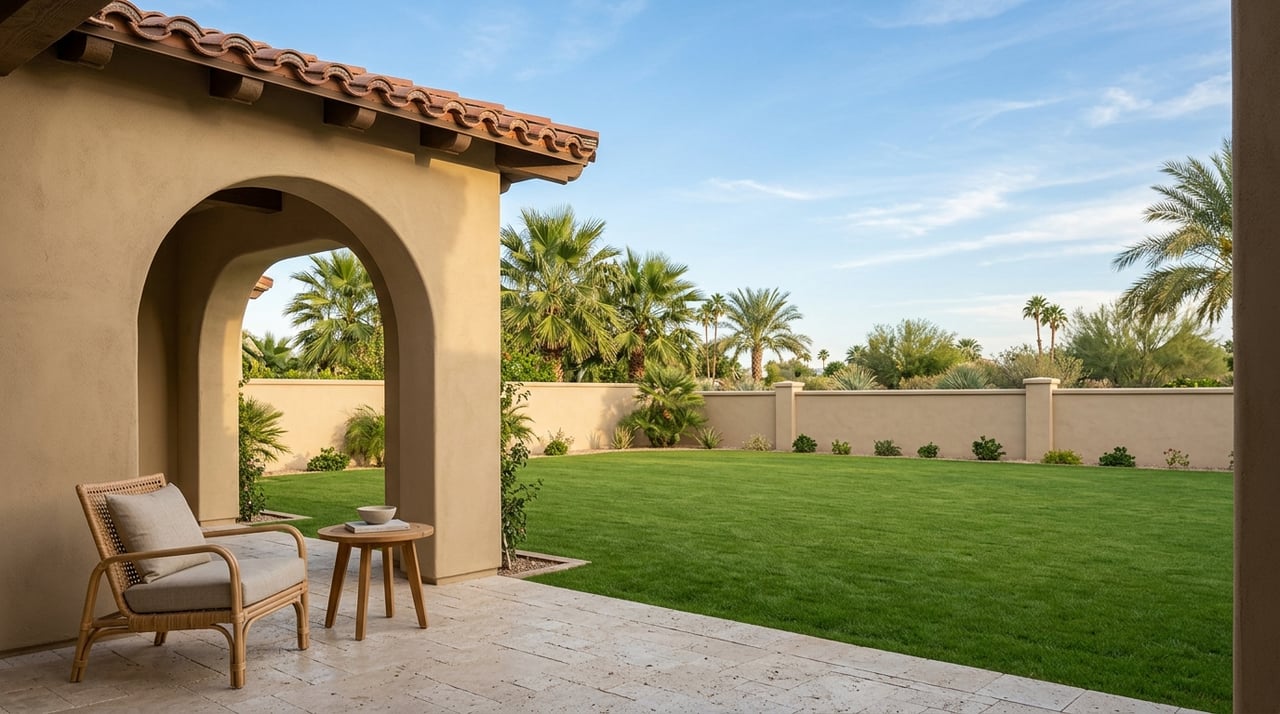
Architecture is another clue when choosing between golf and non-golf areas. In older residential districts, the city’s historic survey notes that Pueblo-style homes are especially common in the Cove and other early subdivisions. You will also see La Quinta’s broader architectural language shaped by Spanish-inspired elements such as clay tile roofs, arched entries, deep-set windows, and neutral tones.
In newer golf and resort master plans, the design language can shift depending on the project. The city’s planning materials show that some newer developments blend Spanish architecture with more contemporary resort styling, and projects such as SilverRock, Talus, Travertine, and Coral Mountain reflect a broader mix of residential products and amenities.
In simple terms
- Older non-golf areas often feel more rooted in La Quinta’s original residential story
- Newer golf and resort areas often offer a broader mix of home types and planned amenities
If style and neighborhood character matter to you, this can be one of the fastest ways to narrow your search.
Which Buyers Often Prefer Each Option
While every buyer is different, a few broad patterns tend to show up in La Quinta.
Golf areas may fit you best if
- You want golf or resort living to be part of daily life
- You like shared amenities and a more polished, master-planned setting
- You are buying a seasonal home and want a lifestyle-centered environment
- You value community presentation and amenity access
Non-golf areas may fit you best if
- You prefer a neighborhood-first setting
- You enjoy older character and historic context
- You want easier access to trails, open space, or Old Town activity
- You want to focus more on residential feel than club programming
There is also a middle ground. Some newer areas combine homes, trails, open space, and resort features without making golf the center of everyday life. The city’s Travertine planning page is a good example of why parcel-level research matters.
Desert Living Matters in Both
No matter which side of La Quinta you choose, the desert climate should factor into your decision. City planning and landscape guidance describe hot summers, mild winters, and an emphasis on desert landscaping, drought-tolerant planting, irrigation standards, and maintenance expectations.
That means you should pay attention to shade, yard design, hardscape, and ongoing exterior upkeep. In an HOA community, landscaping standards may be more structured. In a non-HOA or less regulated area, you may have more flexibility, but also more direct responsibility.
A Smart Way to Compare Properties
If you are trying to make the decision efficiently, start with the exact parcel instead of relying only on community reputation. Use the city’s Planning Division map tools to confirm community boundaries and planning context, then review HOA documents and any club or golf access materials tied to the property.
This approach gives you a much clearer picture than broad labels like “golf home” or “non-golf home.” In La Quinta, those labels can hide important differences in fees, access, architecture, and lifestyle.
The best choice usually comes down to how you want to live, not just where you want to buy. If you want help comparing La Quinta neighborhoods, HOA structures, and lifestyle options side by side, LISSETTE MOLINA REAL ESTATE GROUP can guide you through the details and help you find the right fit with confidence.
FAQs
What is the main difference between golf and non-golf areas in La Quinta?
- Golf areas usually focus more on resort-style amenities, planned community design, and club or course access, while non-golf areas often emphasize traditional residential streets, historic character, and trail or Old Town access.
Do all golf communities in La Quinta include golf membership?
- No. Golf access can be public, resident-discounted, or separate from ownership, so you should verify how access works for each property before you buy.
Are HOA fees usually higher in La Quinta golf communities?
- They can be, especially in master-planned or amenity-rich communities, but the exact cost and what it covers vary by property and association structure.
Is La Quinta Cove considered a non-golf area?
- Generally, yes. The city identifies La Quinta Cove as the city’s first residential area, and it is more closely associated with early residential history, neighborhood streets, and nearby trail access than golf-centered living.
How can you research a specific La Quinta property before making an offer?
- A strong first step is checking the city’s Planning Division map for parcel-level information, then reviewing HOA documents, CC&Rs, assessments, and any club or resident golf access details tied to that home.