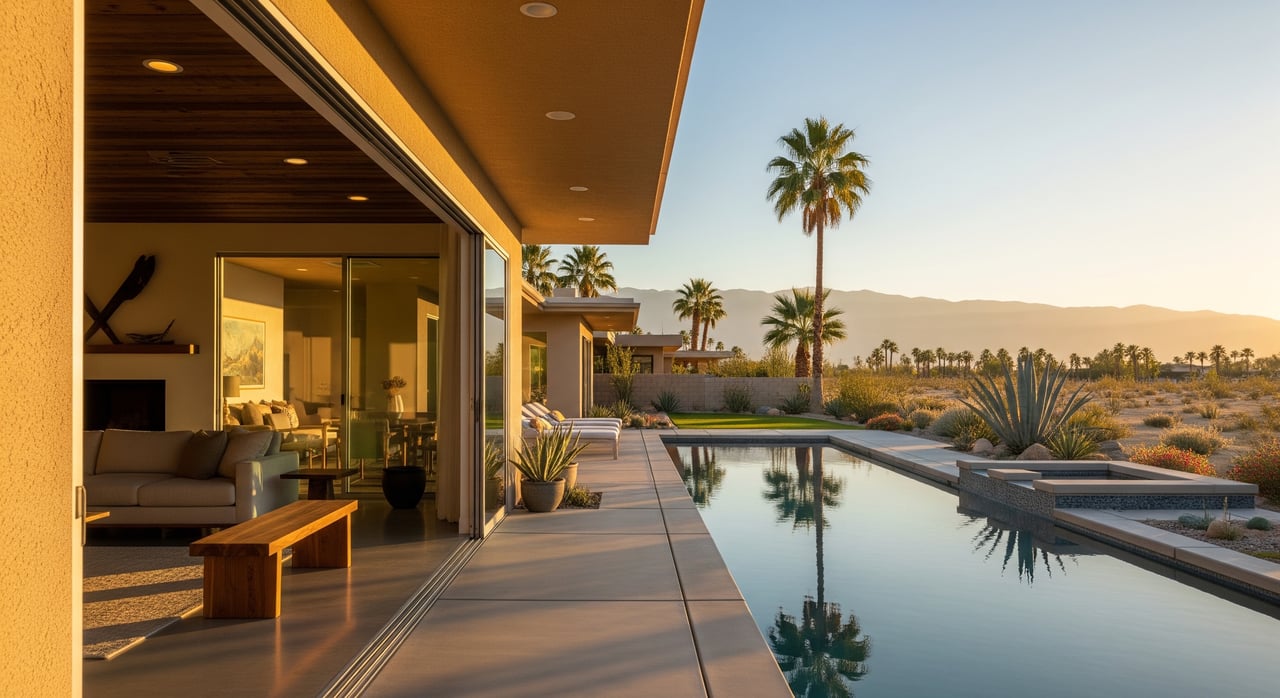
Sunrise over date palms, the smell of fresh tortillas, and neighbors saying buenos días on the sidewalk. If you are weighing a move to Coachella, you likely want a clear picture of what daily life feels like, not just headlines about festivals. This guide walks you through schools, shopping, commuting, climate tips, parks, and weekend fun so you can decide if the city fits your goals. Let’s dive in.
Coachella at a glance
Coachella is a small desert city in eastern Riverside County with a strong family focus and deep agricultural roots. You will find a predominantly Latino community, a relatively young median age, and larger household sizes compared with many California cities. Recent growth is tied to regional housing pressures across the Coachella Valley. Relative affordability compared with cities like Palm Springs, La Quinta, and Indian Wells attracts many first-time buyers and multigenerational households.
Daily essentials and shopping
Everyday shopping is easy around major corridors and neighborhood centers. You will find grocery stores, convenience markets, discount retailers, and a wide mix of small businesses and restaurants with Mexican and Latin American traditions. For bigger shopping trips, nearby Indio and Palm Desert offer larger retail centers and big-box options. Farmers markets and produce stands are common, thanks to the region’s agricultural economy.
Dining and local flavor
You can enjoy taquerias, panaderías, and family-owned spots serving regional specialties. Local events and gatherings often center on food and community, especially during holidays and seasonal celebrations.
Schools and learning
Coachella is served by the Coachella Valley Unified School District. There are public elementary and middle schools within the city, and high school options across the district. Families often ask about bilingual programs, career and technical pathways, and enrollment details. For the latest information, review official district resources and California Department of Education reports before making decisions.
Higher education
College of the Desert serves the valley with campuses and learning centers in nearby cities. Four-year public universities are a drive away, so many students commute or begin at community college before transferring.
Healthcare and services
For primary care, you will find local clinics, community health centers, and county services. Full-service hospitals are located in neighboring valley cities such as Indio and Palm Springs. Specialty care and emergency services are typically accessed at these larger medical centers, so plan for drive time when choosing a home.
Getting around the valley
Interstate 10 and regional highways connect Coachella with the rest of the Coachella Valley and the Inland Empire. Many residents commute to jobs in nearby cities, with traffic heaviest during typical peak hours and major event periods.
- Public transit: The SunLine Transit Agency provides bus service linking Coachella to Indio, Palm Desert, and other valley cities. Seasonal and event shuttles operate during major festivals.
- Active transportation: The CV Link multi-use path is under phased construction across the valley. Portions are open and provide biking and walking options in connected areas.
- Air travel: The closest commercial gateway is Palm Springs International Airport. Larger airports like Ontario and Los Angeles are several hours by car, depending on traffic.
Utilities and connectivity
Water service comes through regional providers such as the Coachella Valley Water District. Water conservation programs and usage guidelines are common in the desert. Electricity and gas are provided by major regional utilities, and internet options from large providers serve most neighborhoods. Service levels can vary by location, especially in older or more rural pockets, so confirm availability and speeds when you shop for a home.
Recreation and weekend life
Fall, winter, and spring invite a full outdoor lifestyle. Parks, playgrounds, and youth sports anchor family time in cooler months, and many homes feature shaded patios or pools for summer comfort. Weekend options include hiking and biking along valley trails, picnicking at Lake Cahuilla Recreation Area, birdwatching near the Salton Sea, and exploring nearby mountains in the Santa Rosa and San Jacinto ranges.
Festivals and regional fun
The Coachella Valley is internationally known for large music festivals held in Indio. While these events are not inside Coachella city limits, they bring jobs, visitors, and increased traffic across the valley during festival weekends. Many residents plan errands and outings around event schedules or stick to local favorites during peak periods.
Living with the desert climate
Summers are very hot and dry, while winters are mild and sunny. Air conditioning is essential, and many residents adjust routines by running errands early, enjoying evenings outdoors, and using shade structures and cooling systems. Drought-tolerant landscaping, drip irrigation, and efficient fixtures help manage water use. Some areas near desert washes can face occasional flash-flood risk, so check property-specific flood maps during your home search.
Housing and neighborhoods
Housing ranges from older subdivisions and single-family homes to manufactured housing communities and newer infill. Relative affordability is a major draw compared with western valley resort cities. Rental options are common, and multigenerational living can help households manage costs and support family life. Because neighborhood character and home condition can vary block by block, plan for on-the-ground tours and careful due diligence.
Work and the local economy
Agriculture and food processing are foundational, with year-round and seasonal jobs. Construction, retail, and service-sector roles are steady, and hospitality throughout the valley adds opportunities during peak seasons. Many residents commute to work in Indio, Palm Desert, Palm Springs, or the Inland Empire, balancing housing value with drive time.
Costs and practical trade-offs
Coachella’s relative affordability stands out, but budget for higher cooling costs in summer and potential add-ons like flood or earthquake insurance, depending on the property. Water conservation fees and seasonal usage can influence monthly bills. Weigh commute time, service availability, and neighborhood amenities against your must-haves.
Community safety and resources
Public safety is managed through city and county agencies. Like many growing communities, safety concerns can vary by neighborhood and over time. If you are comparing areas, review current official crime data, connect with local law enforcement programs, and pair that research with neighborhood visits at different times of day.
Is Coachella a fit for you?
If you value cultural vibrancy, family-centered neighborhoods, and a more attainable entry point into the Coachella Valley, this city is worth a close look. You will want to plan for the desert climate, confirm commute patterns, and learn each neighborhood’s personality. With thoughtful preparation, you can build a comfortable routine that takes advantage of the valley’s parks, trails, and community events.
Ready to compare neighborhoods, shop listings, or plan tours? Connect with the boutique team at LM Real Estate Group for responsive, two-agent support and hyperlocal guidance across the Coachella Valley.
FAQs
What is everyday shopping like in Coachella?
- You will find neighborhood groceries, local markets, and discount retailers in the city, with larger retail centers and big-box stores a short drive away in nearby Indio and Palm Desert.
How hot are Coachella summers and how do residents adapt?
- Summers are very hot, so most people shift errands to mornings and evenings, use efficient air conditioning and shading, and choose drought-tolerant landscaping to manage comfort and costs.
Which schools serve Coachella and how can I learn more?
- Coachella Valley Unified School District serves the area, with elementary and middle schools in the city and regional high school options; check official district and state education resources for current programs and enrollment.
How does commuting work during major valley festivals?
- Traffic increases across the region during festival weekends in neighboring Indio; residents often plan errands and commute routes around peak times or rely on SunLine Transit where practical.
What are healthcare options near Coachella?
- Local clinics and community health centers provide primary care, while full hospitals and specialty services are in nearby valley cities like Indio and Palm Springs.
How does Coachella compare with nearby resort cities for housing?
- Coachella generally offers more attainable home prices than western valley resort areas, with a mix of older subdivisions, manufactured housing communities, and newer infill options.